
How Often Should You Get an Oral Cancer Screening? A Northville Dentist Explains
Many people schedule routine dental cleanings to protect their teeth and gums, but fewer realize that dental visits can also play a critical role in detecting serious health conditions. One of the most important preventive services offered by dentists today is Oral Cancer Screening.
Oral cancer can develop in the mouth, tongue, lips, cheeks, throat, and other oral tissues. Unfortunately, it often progresses without noticeable symptoms during its earliest stages. This is why regular Oral Cancer Screening is so important. Early detection can lead to more effective treatment, improved outcomes, and greater peace of mind.
If you're wondering how often you should get an oral cancer screening, you're not alone. Many Northville residents ask this question during routine dental visits. In this guide, we'll explain screening recommendations, risk factors, warning signs, and why this preventive exam should be part of your long-term healthcare routine.
What Is an Oral Cancer Screening?
An Oral Cancer Screening is a preventive examination performed by a dental professional to identify signs of cancerous or precancerous changes in the mouth and surrounding tissues.
The purpose of screening is simple: identify abnormalities as early as possible before they develop into more serious health concerns.
During the examination, your dentist evaluates:
- Lips
- Tongue
- Gums
- Cheeks
- Floor of the mouth
- Roof of the mouth
- Throat
- Neck and jaw area
Because oral cancer can develop without pain or obvious symptoms, routine screenings are often the first opportunity to identify potential concerns.
Why Regular Oral Cancer Screening Matters
Early Detection Saves Lives
Oral cancer detected in its early stages is generally easier to treat and associated with better outcomes. Delayed diagnosis often results in more extensive treatment and increased health risks.
Improved Treatment Success
Early-stage cancers typically require less aggressive treatment and may offer a better quality of life during recovery.
Better Long-Term Health
Regular screening allows healthcare providers to monitor changes over time and identify suspicious lesions before they become more serious.
Peace of Mind
Many patients find reassurance knowing their oral health is being evaluated during every routine visit.
For additional information, consider reading:
- Can Oral Cancer Be Prevented? The Role of Regular Oral Cancer Screening
- Early Detection Saves Lives: The Importance of Regular Oral Cancer Screening
- 5 Key Benefits of Adding Oral Cancer Screening to Your Dental Exam
Who Should Get More Frequent Oral Cancer Screenings?
While annual screenings are recommended for most adults, some individuals may require more frequent evaluations.
Tobacco Users
Smoking and smokeless tobacco significantly increase oral cancer risk.
Former Smokers
Even after quitting, previous tobacco use may continue to impact risk levels.
Heavy Alcohol Consumers
Alcohol use can increase oral cancer risk, especially when combined with tobacco.
HPV-Positive Individuals
Certain strains of the Human Papillomavirus (HPV) have been linked to cancers affecting the mouth and throat.
Adults Over Age 40
The likelihood of oral cancer generally increases with age.
Family History of Cancer
Individuals with a family history of cancer may benefit from closer monitoring.
How Often Should Different Patients Be Screened?
Patient Type | Recommended Screening Frequency |
Healthy adults | Once per year |
Adults over 40 | Once per year |
Current smokers | Every 6–12 months |
Former smokers | Every 6–12 months |
Heavy alcohol usersre | Every 6–12 months |
HPV-positive individuals | As recommended by a dentist |
Previous oral cancer patients | More frequent follow-up exams |
If you're searching for oral cancer screening Northville services, your dentist can recommend a personalized screening schedule based on your health history and risk factors.
Signs That Should Never Be Ignored
Although screenings are designed to detect issues early, it's important to recognize warning signs between dental visits.
Contact an oral cancer screening dentist if you experience:
- A sore that does not heal within two weeks
- Red or white patches inside the mouth
- Difficulty swallowing
- Persistent sore throat
- Unexplained bleeding
- A lump in the mouth, throat, or neck
- Changes in voice
- Numbness in the tongue or mouth
These symptoms do not necessarily indicate cancer, but they should always be evaluated promptly.
What Happens During an Oral Cancer Screening?
Many patients searching for oral cancer screening near me are relieved to learn that the exam is quick, painless, and non-invasive.
Step 1: Medical History Review
Your dentist reviews risk factors, medical conditions, and symptoms.
Step 2: Visual Examination
The mouth, tongue, lips, throat, and surrounding tissues are carefully inspected.
Step 3: Physical Examination
Your dentist gently feels the neck, jaw, and oral tissues for abnormalities.
Step 4: Further Evaluation if Needed
If suspicious areas are identified, additional testing or specialist referral may be recommended.
The entire screening typically takes only a few minutes and can be completed during a routine dental exam.
Can Oral Cancer Be Detected During a Routine Dental Visit?
Yes. In many cases, dentists are among the first healthcare professionals to identify signs of oral cancer.
Routine dental appointments provide an opportunity to evaluate changes that patients may not notice on their own.
This is why preventive dental visits are so important. Regular checkups support the early detection of oral cancer and other oral health conditions before symptoms become severe.
Benefits of Routine Oral Cancer Screening
There are many advantages to including screening as part of your preventive care plan:
- Detects abnormalities early
- Improves treatment outcomes
- Supports long-term oral health
- Provides peace of mind
- Quick and painless procedure
- Can be completed during routine dental visits
- Helps identify issues before symptoms develop
For many Northville residents, routine screening is one of the simplest steps they can take to protect their overall health.
Oral Cancer Prevention Tips
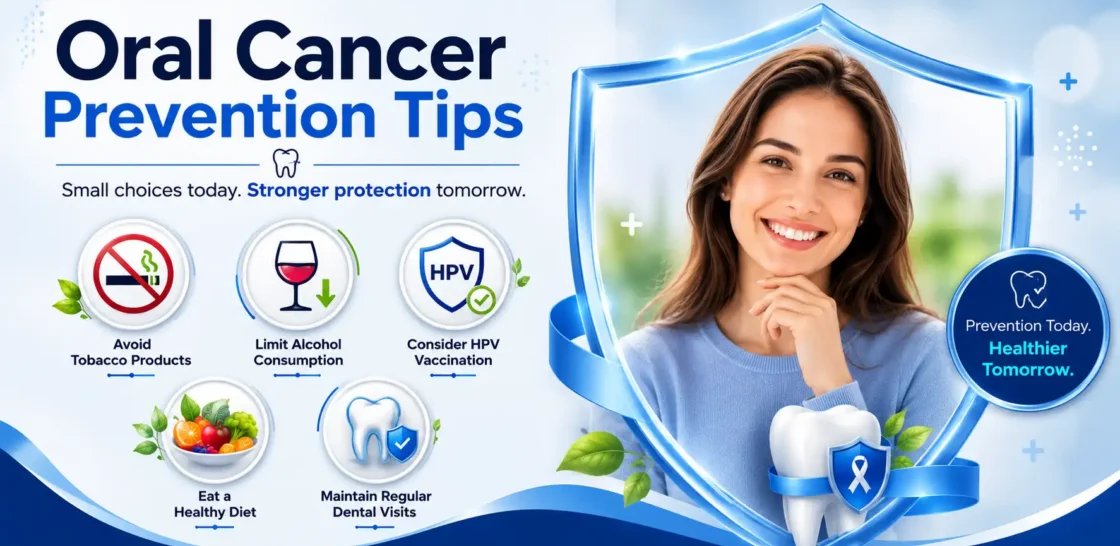
While not all cases can be prevented, certain lifestyle choices may reduce risk.
Avoid Tobacco Products
Smoking and smokeless tobacco are among the leading risk factors for oral cancer.
Limit Alcohol Consumption
Reducing alcohol intake can lower your risk, particularly when combined with tobacco avoidance.
Consider HPV Vaccination
Vaccination may help reduce the risk of HPV-related cancers.
Eat a Healthy Diet
A diet rich in fruits and vegetables supports overall health and immune function.
Maintain Regular Dental Visits
Routine dental care remains one of the most effective ways to support preventive dental care that Northville patients can trust.
Why Choose Elite Smile Family Dentistry for Oral Cancer Screening in Northville?
At Elite Smile Family Dentistry, we believe preventive care is the foundation of long-term oral health.
Our team provides:
- Comprehensive oral examinations
- Thorough screening evaluations
- Personalized preventive care recommendations
- Patient-centered treatment planning
- Compassionate care for Northville families
Whether you're due for a routine exam or concerned about symptoms, we are committed to helping you protect your health through proactive dental care.
Conclusion
Regular Oral Cancer Screening is one of the most valuable preventive services available during routine dental care. Because oral cancer often develops without obvious symptoms, screenings play a critical role in identifying abnormalities early when treatment is typically most successful.
For most adults, annual screenings are recommended. However, patients with risk factors such as tobacco use, alcohol consumption, HPV exposure, or a previous history of oral cancer may benefit from more frequent evaluations.
At Elite Smile Family Dentistry, we are committed to helping Northville patients stay proactive about their oral and overall health. If you're due for a dental exam or have concerns about changes in your mouth, don't wait.
Early detection can make a significant difference.
Schedule your Oral Cancer Screening appointment with Elite Smile Family Dentistry today and take an important step toward protecting your long-term health.
Frequently Asked Questions
How often should you get an oral cancer screening?
Most adults should have an Oral Cancer Screening once a year. Higher-risk patients may require screenings every six months.
How long does an oral cancer screening take?
Most screenings take less than five minutes and are performed during a routine dental visit.
Can a dentist detect oral cancer during a routine exam?
Yes. Dentists are trained to identify abnormal tissue changes that may indicate oral cancer or precancerous conditions.
Who is most at risk for oral cancer?
Smokers, former tobacco users, heavy alcohol consumers, HPV-positive individuals, and adults over 40 are generally at higher risk.
Is oral cancer screening covered by insurance?
Coverage varies by insurance plan. Contact your provider or dental office for details.
At what age should oral cancer screening begin?
Adults should receive screenings as part of routine dental care, especially if risk factors are present.
What happens if something abnormal is found?
Your dentist may recommend monitoring the area, additional testing, or referral to a specialist.
Should non-smokers get oral cancer screenings?
Yes. Oral cancer can occur in non-smokers, making routine screenings important for all adults.
Where can I get an oral cancer screening in Northville?
Elite Smile Family Dentistry provides comprehensive oral cancer screening Northville patients can trust as part of routine preventive dental care.