
How Often Should You Visit the Dentist? A Complete Guide to Preventive Dental Care
If you only think about visiting the dentist when you have a toothache, you may be missing one of the most important parts of dental care: prevention.So, how often should you visit the dentist?
There isn't one schedule that works for everyone. Some people may benefit from dental visits once or twice a year, while others may need appointments more frequently based on their oral-health needs and risk factors. The American Dental Association recommends that dental recall intervals be tailored to the individual rather than relying on a single schedule for every patient.
Regular dental visits can help your dentist monitor your teeth and gums, identify potential problems early, remove plaque and tartar that cannot be completely removed at home, and provide personalized recommendations for keeping your smile healthy.
At Elite Smile Family Dentistry in Northville, MI, preventive dentistry is an important part of maintaining long-term oral health. Our preventive approach includes dental examinations, professional teeth cleanings, fluoride treatments, sealants, oral cancer screenings, and patient education.
But what does a preventive dental visit actually involve, and how do you know how often you should schedule one?
Let's take a closer look.
How Often Should You Visit the Dentist?
The short answer is: it depends on your individual oral-health needs.
While many people are accustomed to hearing that they should visit the dentist every six months, dental care is not necessarily one-size-fits-all. Your dentist may recommend a different schedule depending on your history and current risk of dental problems.
Factors that may influence how often you need dental visits include:
- Gum health
- Plaque and tartar buildup
- Dry mouth
- Tobacco use
- Certain medications or health conditions
- Orthodontic treatment
- Your age and stage of dental development
- Other individual risk factors
For example, someone who has a history of gum disease may require more frequent professional monitoring than someone with consistently healthy gums. Patients who are at increased risk for cavities may also benefit from a more personalized preventive-care schedule.
The best approach is to ask your dentist how frequently you should be seen based on your specific oral-health needs.
Why Regular Dental Visits Matter Even When Your Teeth Don't Hurt
One of the biggest misconceptions about dental care is that no pain means no problem.
Unfortunately, some dental conditions can develop without obvious symptoms in their early stages. A small cavity, early gum inflammation, or plaque and tartar buildup may not cause significant discomfort at first.
Regular dental examinations give your dental team an opportunity to monitor changes in your mouth and address concerns before they potentially become more complicated.
Preventive visits can also help you understand what is happening with your oral health and what you can do at home to maintain it.
This is especially important because professional dental care and daily home care work together.
The ADA recommends brushing twice a day with fluoride toothpaste, cleaning between the teeth daily, maintaining a healthy diet, and seeing a dentist regularly for prevention and treatment of oral disease.
In other words, a dental appointment isn't simply about fixing something that already hurts. It can also be about keeping small problems from becoming bigger ones and maintaining the health you already have.
What Happens During a Routine Dental Checkup?
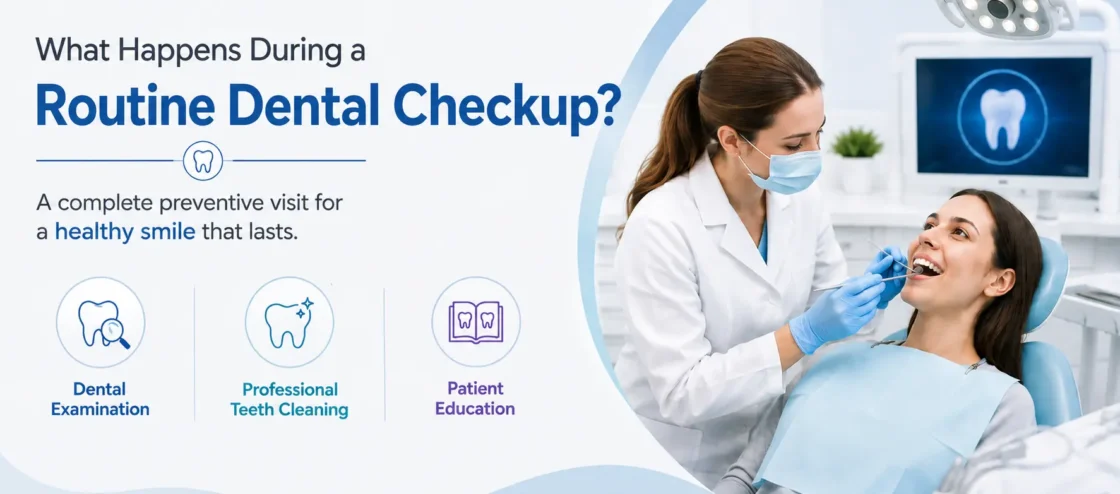
A preventive dental appointment can involve several different parts depending on your individual needs.
Dental Examination
During a dental examination, your dentist evaluates your teeth, gums, bite, existing dental work, and overall oral health.
Your dental team may also ask about changes you've noticed, such as sensitivity, discomfort, bleeding gums, or other concerns.
If diagnostic imaging is appropriate, your dentist may recommend X-rays or other imaging based on your clinical needs. Dental X-rays are not automatically required at every visit; current ADA recommendations emphasize using them when clinically necessary.
Professional Teeth Cleaning
Even an excellent home-care routine cannot remove every bit of hardened tartar.
Professional teeth cleaning can help remove plaque, tartar, and certain surface stains that brushing and cleaning between your teeth cannot completely eliminate.
Elite Smile Family Dentistry provides professional teeth cleaning in Northville, MI, with the goal of helping patients maintain healthy teeth and gums.
Patient Education
Prevention isn't only about what happens inside the dental office.
Your dental team can also help you understand how to improve your brushing and interdental-cleaning routine, choose appropriate oral-care products, and identify habits that may be affecting your oral health.
Personalized education is particularly valuable because everyone's mouth and risk factors are different.
How Often Should You Get Your Teeth Professionally Cleaned?
There isn't a universal cleaning schedule that is appropriate for every patient.
Some people may maintain good oral health with routine cleanings at longer intervals, while others may need more frequent professional care.
Your recommended cleaning schedule can depend on factors such as:
- Gum health
- Tartar buildup
- Plaque control
- Other individual risk factors
If you have been told that you need more frequent cleanings, it doesn't necessarily mean that something is seriously wrong. Your dental team may simply be taking a more proactive approach to managing your specific oral-health risks.
Regular professional cleanings are one part of a broader preventive dentistry plan.
Learn more about Preventive Dentistry at Elite Smile Family Dentistry
Preventive Dental Treatments That Can Protect Your Smile
Preventive dentistry can involve more than routine examinations and cleanings.
Depending on your needs, your dentist may recommend additional treatments designed to help reduce the risk of certain dental problems.
Dental Sealants
Dental sealants are protective coatings placed on certain tooth surfaces, particularly the grooves and pits of back teeth.
These areas can sometimes be difficult to clean thoroughly because food particles and plaque can collect in their natural grooves.
Sealants may be particularly useful for patients who are more susceptible to cavities in these areas.
However, sealants are not automatically necessary for everyone. Your dentist can determine whether they are appropriate for your teeth.
Fluoride Treatments
Fluoride plays an important role in protecting tooth enamel and helping reduce the risk of tooth decay.
Some patients may benefit from professional fluoride treatments as part of their preventive dental-care plan.
The decision can depend on factors such as cavity risk and overall oral-health needs.
Elite Smile Family Dentistry offers fluoride treatments as part of its preventive approach for patients of different ages.
Personalized Preventive Care
The most effective preventive-care plan isn't necessarily the same for every member of your family.
A child, teenager, adult, and older adult may have very different dental needs.
That's why a personalized approach can be more useful than simply following a predetermined schedule.
What Happens If You Skip Dental Checkups?
Life gets busy, and it's easy for a dental appointment to get pushed back.
Skipping one appointment doesn't automatically mean you'll develop a dental problem. However, consistently avoiding preventive care can make it harder to monitor changes in your oral health.
Without regular professional care, plaque and tartar can accumulate, existing dental problems may go unnoticed, and conditions affecting the teeth or gums may have more time to progress. For people who have already experienced gum disease, regular maintenance can be particularly important. The ADA notes that patients with periodontitis may require ongoing supportive care and potentially more frequent maintenance visits to help manage recurrence.
The goal of preventive dentistry isn't to make you worry about your teeth.
It's to give you the opportunity to stay ahead of potential problems.
Do Children Need Regular Dental Visits
Yes. Preventive dental care is important for children because their teeth and mouths are constantly developing.
Regular dental visits can help children:
- Develop positive dental habits
- Learn proper brushing and cleaning techniques
- Monitor developing teeth
- Identify potential concerns early
- Reduce the risk of cavities
- Determine whether preventive treatments such as sealants or fluoride may be appropriate
Children can also benefit from becoming comfortable with dental visits at an early age.
When dental appointments become a normal part of healthcare rather than something that only happens when there is pain, children can develop a healthier attitude toward oral care.
Parents should speak with their child's dentist about an appropriate visit and cleaning schedule.
Who May Need More Frequent Dental Visits?
Some patients may benefit from seeing their dentist more frequently than others.
Your dentist may recommend a shorter interval if you have factors such as:
- Gum disease
- Significant plaque or tartar buildup
- Difficulty maintaining effective oral hygiene
- Dry mouth
- Certain medications
- Tobacco use
- Complex dental restorations
- Orthodontic treatment
- Other conditions that increase your oral-health risk
For example, periodontal patients may require ongoing maintenance appointments to monitor their gum health.
If your dentist recommends more frequent visits, ask what specific risk factor they are monitoring. Understanding the reason behind your schedule can make preventive care feel much more meaningful.
How to Maintain Good Oral Health Between Dental Visits
Your dental appointment is only one part of preventive dentistry.
What you do at home every day matters too.
Brush Twice a Day
The ADA recommends brushing twice a day with fluoride toothpaste.
Use a soft-bristled toothbrush and take enough time to clean all accessible tooth surfaces.
Clean Between Your Teeth Daily
A toothbrush cannot effectively reach every area between your teeth.
Cleaning between the teeth once a day helps remove plaque and food particles from areas that brushing alone may miss.
Depending on your needs, this may involve traditional floss, an interdental cleaner, or a water flosser.
Be Mindful of Sugar
Frequent exposure to sugary foods and drinks can contribute to tooth-decay risk.
Try to limit frequent sugary snacks and beverages and choose a balanced diet.
Drinking water can also support good oral health.
Avoid Tobacco
Tobacco can negatively affect oral health. Avoiding tobacco is an important part of maintaining your mouth and overall health.
Pay Attention to Changes
Don't wait for your next routine appointment if you notice something unusual.
Persistent pain, swelling, bleeding gums, sensitivity, a broken tooth, or another concerning change deserves professional attention.
Signs You Shouldn't Wait Until Your Next Routine Appointment
Routine preventive appointments are important, but they aren't a substitute for contacting your dentist when you develop a concerning symptom.
Consider contacting a dental professional if you experience:
- Persistent tooth pain
- Swelling around a tooth or in the mouth
- Bleeding or swollen gums
- Persistent or worsening sensitivity
- A chipped or broken tooth
- A loose permanent tooth
- Persistent bad breath accompanied by other symptoms
- A sore or unusual change in your mouth that does not resolve
You don't need to wait for your next scheduled cleaning when something doesn't feel right.
Early professional evaluation can help determine what is causing the problem and what treatment, if any, is appropriate.
Preventive Dentistry in Northville, MI
Preventive dental care is about more than keeping your teeth looking clean.
It's about understanding your individual oral-health risks, monitoring your teeth and gums, and taking practical steps to protect your smile over time.
At Elite Smile Family Dentistry, preventive care in Northville includes periodic dental examinations, professional teeth cleanings, fluoride treatments, dental sealants, oral cancer screenings, and patient education. The practice emphasizes personalized treatment plans and proactive care based on individual dental needs.
Whether you're overdue for a dental examination or simply want to establish a better preventive routine, a dental professional can help determine the right schedule for you.
Ready to make preventive dental care a priority?
Explore Preventive Dentistry at Elite Smile Family Dentistry
The Bottom Line: Don't Wait for a Toothache
So, how often should you visit the dentist?
The answer depends on you.
Your oral-health history, cavity and gum-disease risk, daily hygiene habits, age, existing dental work, and other factors can all influence how frequently you should receive professional dental care.
The important thing is not to wait until a dental problem becomes painful before thinking about your oral health.
Regular preventive care, combined with good daily habits at home, can help you stay informed about your dental health and address concerns as early as possible.
If you're due for a dental visit or aren't sure when you should come in next, talk with your dental team about creating a preventive-care schedule that fits your needs.
For patients looking for preventive dentistry in Northville, MI, Elite Smile Family Dentistry provides personalized preventive services designed to help patients maintain healthy teeth and gums.
Learn more about Preventive Dentistry or schedule your next visit with Elite Smile Family Dentistry.
Frequently Asked Questions About Dental Visits
How often should I go to the dentist?
There is no single schedule that applies to everyone. Some people may need visits once or twice a year, while others may benefit from more frequent appointments based on their oral-health needs and risk factors. Your dentist can recommend the appropriate interval for you.
Is going to the dentist twice a year necessary?
Twice-yearly visits are common, but they aren't necessarily appropriate for every person. Your dentist may recommend a different schedule depending on your risk of cavities, gum disease, tartar buildup, and other factors.
How often should I get my teeth cleaned?
Cleaning frequency depends on your individual oral-health needs. Patients with gum disease, significant tartar buildup, or other risk factors may need professional cleanings more frequently.
Can I skip the dentist if my teeth don't hurt?
It's better not to use pain as the only indicator of oral health. Some dental problems may develop without obvious symptoms in the early stages. Regular preventive visits allow your dentist to monitor your oral health even when you feel fine.
How often should children visit the dentist?
Children need regular dental care as their teeth and jaws develop. Their dentist can recommend an appropriate schedule based on age, dental development, cavity risk, and other individual needs.
Who may need dental visits more often?
People with a history of cavities, gum disease, heavy tartar buildup, dry mouth, certain medications, tobacco use, orthodontic treatment, or other risk factors may benefit from more frequent dental monitoring.
What is preventive dentistry?
Preventive dentistry focuses on maintaining oral health and reducing the risk of dental problems through examinations, professional cleanings, patient education, and treatments such as fluoride or sealants when appropriate.
What happens during a routine dental exam?
A routine visit may include an examination of your teeth and gums, discussion of your oral-health concerns, professional cleaning when appropriate, personalized home-care recommendations, and diagnostic imaging when clinically necessary.