
Can Gum Disease Be Reversed? A Northville Dentist Explains
Gum disease is one of the most common oral health problems affecting adults in the United States. Yet many people don't realize they have it until symptoms become more severe. If you've noticed bleeding gums, persistent bad breath, or gum sensitivity, you may be wondering: can gum disease be reversed?
The good news is that early-stage gum disease can often be reversed with timely care and proper oral hygiene. However, advanced forms of gum disease require professional intervention to prevent further damage.
At Elite Smile Family Dentistry, we provide comprehensive gum disease treatment for patients throughout Northville, Michigan. Our team helps patients identify the signs of gum disease early and offers personalized treatment plans designed to restore and protect their oral health.
In this guide, we'll explain what gum disease is, when it can be reversed, available treatment options, and how residents of Northville can protect their smiles for years to come.
Can Gum Disease Be Reversed?
Yes, gum disease can be reversed if it is diagnosed during its earliest stage, known as gingivitis.
With prompt gingivitis treatment, professional dental cleanings, and improved oral hygiene habits, inflammation and infection can often be eliminated before permanent damage occurs.
However, once gum disease progresses to periodontitis, the damage to gum tissue and supporting bone cannot be completely reversed. Professional periodontal disease treatment can stop progression, manage symptoms, and help preserve your teeth.
What Is Gum Disease?
Gum disease, also called periodontal disease, is an infection of the tissues that support your teeth. It develops when plaque and bacteria accumulate along the gumline.
Over time, harmful bacteria trigger inflammation, causing gums to become red, swollen, and prone to bleeding.
Without treatment, the infection can spread deeper beneath the gums, affecting connective tissues and jawbone structures that support your teeth.
Common gum disease symptoms include:
- Red or swollen gums
- Bleeding while brushing or flossing
- Persistent bad breath
- Gum tenderness
- Receding gums
- Loose teeth
- Pain when chewing
- Changes in bite alignment
Many Northville patients are surprised to learn that gum disease can develop without significant pain, making routine dental visits essential.
The Stages of Gum Disease
Understanding the progression of gum disease can help you recognize when treatment is most effective.
Stage 1: Gingivitis
Gingivitis is the earliest and mildest stage of gum disease.
At this point:
- Gums become inflamed
- Bleeding may occur during brushing
- No permanent bone loss has occurred
- The condition is generally reversible
This is where early gum disease treatment can make the biggest difference.
Stage 2: Early Periodontitis
As bacteria spread below the gumline:
- Gum pockets begin forming
- Mild bone loss starts
- Infection becomes more difficult to reverse
Stage 3: Moderate Periodontitis
At this stage:
- Deeper gum pockets develop
- Significant tissue damage occurs
- Teeth may begin shifting
Stage 4: Advanced Periodontitis
Advanced disease can lead to:
- Severe bone loss
- Loose teeth
- Tooth loss
- Extensive periodontal treatment needs
Gingivitis vs. Periodontitis
Feature | Gingivitis | Periodontitis |
Gum Inflammation | Yes | Yes |
Bleeding Gums | Common | Common |
Bone Loss | No | Yes |
Reversible | Usually Ye | No, but manageable |
Tooth Loss Risk | Very Low | High |
Treatment Complexity | Simple cleaning and hygiene | Advanced periodontal care |
Long-Term Damage | None if treated | Permanent tissue damage |
Can Gingivitis Be Reversed?
Absolutely.
When patients ask, "Can gum disease be reversed?" the answer is often yes, if the condition is diagnosed as gingivitis.
Successful gingivitis treatment typically includes:
- Professional dental cleaning
- Improved brushing habits
- Daily flossing
- Antibacterial mouth rinses
- Routine dental exams
After plaque and bacteria are removed, gum tissue can heal naturally.
Many patients in Northville notice improvement within a few weeks when they follow their dentist's recommendations consistently.
The key factor is early intervention. The longer gingivitis goes untreated, the greater the chance it will progress into periodontitis.
When Gum Disease Cannot Be Fully Reversed
Once gum disease advances beyond gingivitis, permanent changes occur.
Periodontitis damages:
- Gum tissue
- Periodontal ligaments
- Supporting jawbone
Unfortunately, lost bone and attachment structures do not naturally regenerate.
That said, modern periodontal disease treatment can successfully:
- Halt disease progression
- Reduce infection
- Prevent tooth loss
- Improve oral health
- Maintain existing bone support
Many patients can keep their natural teeth for decades with appropriate treatment and ongoing maintenance.
This is why early diagnosis and prompt gum disease treatment Northville residents can trust is so important.
Common Gum Disease Treatment Options
Several treatment options may be recommended depending on the severity of the condition.
Professional Dental Cleaning
For mild gum inflammation and gingivitis, a professional dental cleaning may be sufficient.
During treatment:
- Plaque is removed
- Tartar deposits are eliminated
- Gum irritation decreases
Routine cleanings every six months play an important role in preventing disease progression.
Professional cleanings are often the first step in early gum disease treatment.
Scaling and Root Planing
One of the most effective treatments for moderate gum disease is scaling and root planing.
This deep-cleaning procedure removes bacteria and tartar from beneath the gumline.
The process includes:
Scaling
Removal of plaque and hardened deposits from tooth surfaces and gum pockets.
Root Planing
Smoothing of tooth roots to discourage bacterial accumulation and encourage gum reattachment.
Benefits include:
- Reduced inflammation
- Smaller gum pockets
- Improved gum attachment
- Better long-term periodontal health
For many Northville patients, scaling and root planing serves as the foundation of successful periodontal care.
Antibiotic Therapy
In some cases, antibiotics may be used alongside other treatments.
Options include:
- Antibacterial mouth rinses
- Localized antibiotic gels
- Oral antibiotics
Antibiotic therapy helps control bacterial infections and improve treatment outcomes.
However, it is generally most effective when combined with professional cleaning procedures.
Periodontal Maintenance
After active treatment, ongoing maintenance becomes essential.
Periodontal maintenance appointments usually occur every three to four months and involve:
- Monitoring gum health
- Measuring periodontal pockets
- Removing bacterial buildup
- Preventing disease recurrence
Patients who commit to regular maintenance often experience significantly better long-term outcomes.
Signs You Need Gum Disease Treatment
Recognizing warning signs early can help prevent serious complications.
You may need gum disease treatment if you experience:
- Bleeding while brushing
- Swollen gums
- Persistent bad breath
- Gum recession
- Tooth sensitivity
- Loose teeth
- Painful chewing
- Pus between teeth and gums
- Changes in bite alignment
If any of these symptoms sound familiar, schedule an evaluation with a gum disease dentist Northville patients trust as soon as possible.
Early treatment is often simpler, less invasive, and more affordable.
Risk Factors for Gum Disease
While anyone can develop gum disease, certain factors increase the risk.
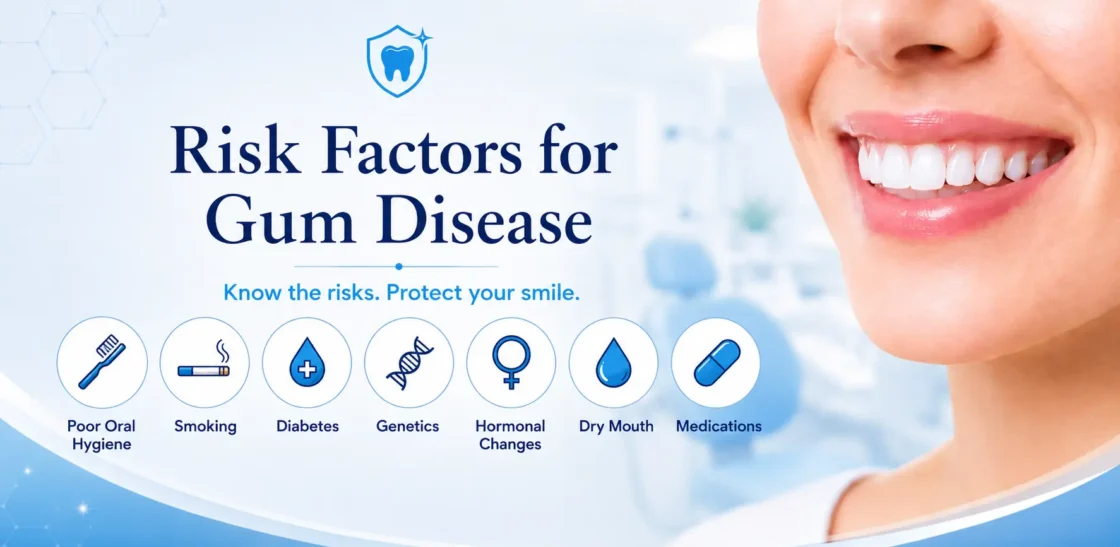
Common risk factors include:
Poor Oral Hygiene
Inadequate brushing and flossing allow plaque to accumulate.
Smoking and Tobacco Use
Smoking weakens the body's ability to fight infection and slows healing.
Diabetes
Patients with diabetes are more susceptible to periodontal infections.
Genetics
Family history may increase vulnerability to gum disease.
Hormonal Changes
Pregnancy and menopause can affect gum health.
Dry Mouth
Reduced saliva promotes bacterial growth.
Certain Medications
Some medications may contribute to gum inflammation or dry mouth.
Understanding these risk factors can help Northville residents take proactive steps toward prevention.
How to Prevent Gum Disease
Preventing gum disease is far easier than treating advanced periodontitis.
Follow these recommendations:
Brush Twice Daily
Use a soft-bristled toothbrush and fluoride toothpaste.
Floss Every Day
Flossing removes plaque from areas your toothbrush cannot reach.
Schedule Regular Dental Visits
Routine exams allow early detection and treatment.
Eat a Balanced Diet
Proper nutrition supports gum health and immune function.
Avoid Tobacco Products
Smoking significantly increases gum disease risk.
Stay Hydrated
Adequate hydration supports healthy saliva production.
Manage Medical Conditions
Controlling diabetes and other health conditions can reduce risk.
By maintaining these habits, many patients can avoid needing extensive periodontal disease treatment in the future.
Why Choose Elite Smile Family Dentistry for Gum Disease Treatment in Northville?
When searching for expert gum disease treatment Northville residents can rely on, experience and patient-centered care matter.
At Elite Smile Family Dentistry, we are committed to helping patients achieve healthier gums and lasting oral health.
Our approach includes:
- Comprehensive periodontal evaluations
- Advanced diagnostic technology
- Personalized treatment plans
- Gentle, compassionate care
- Preventive education
- Long-term periodontal maintenance support
Whether you need gingivitis treatment, scaling and root planing, or ongoing periodontal care, our team is dedicated to delivering exceptional results.
We proudly serve patients throughout Northville, Michigan, and surrounding communities.
Schedule Your Consultation Today
Protect your smile and your overall health with expert periodontal care. Contact Elite Smile Family Dentistry today to schedule your comprehensive gum health evaluation and learn which treatment options are right for you.
Conclusion
So, can gum disease be reversed?
The answer depends on how early it is detected. Gingivitis, the earliest stage of gum disease, can often be completely reversed with prompt professional care and good oral hygiene. However, once the disease progresses to periodontitis, treatment focuses on managing the condition and preventing further damage.
If you're experiencing gum disease symptoms such as bleeding gums, bad breath, or gum recession, don't wait for the problem to worsen.
The team at Elite Smile Family Dentistry provides comprehensive gum disease treatment, including early gum disease treatment, gingivitis treatment, scaling and root planing, and ongoing periodontal disease treatment for patients throughout Northville, Michigan.
Frequently Asked Questions
Can gum disease be reversed naturally?
Early gingivitis may improve with excellent oral hygiene, but professional dental treatment is typically necessary to fully remove plaque and tartar buildup.
Can gum disease be reversed once bone loss occurs?
No. Bone loss caused by periodontitis cannot be fully reversed naturally. However, professional periodontal disease treatment can stop further damage.
What is the best treatment for gum disease?
The best treatment depends on severity. Options include professional cleanings, scaling and root planing, antibiotic therapy, and periodontal maintenance.
How long does it take to reverse gingivitis?
Many patients notice improvement within two to four weeks after beginning professional treatment and improving oral hygiene habits.
What happens if gum disease is left untreated?
Untreated gum disease can lead to gum recession, bone loss, loose teeth, and eventual tooth loss.
How often should I have periodontal maintenance?
Most patients benefit from maintenance visits every three to four months.
Are bleeding gums always a sign of gum disease?
Not always, but bleeding gums are one of the most common gum disease symptoms and should be evaluated by a dentist.
Can young adults develop gum disease?
Yes. Gum disease can affect individuals of all ages, especially those with poor oral hygiene habits.